

How Is Lung Cancer Diagnosed: What to Expect
How is lung cancer diagnosed when you’ve had persistent coughing or shortness of breath? Many patients ask this early on, and it’s a fair concern. Understanding the process can ease anxiety. It can also help you feel more prepared for what comes next.
At Phoenix Cyberknife and Radiation Oncology Center, our team believes knowledge helps patients take an active role in their care. Let’s explore how doctors identify and confirm lung cancer, and what you can expect each step of the way.
Recognizing the Early Warning Signs
The journey toward diagnosis often begins with recognizing unusual symptoms. Persistent coughing, chest pain, hoarseness, and unexplained weight loss can be early indicators of lung cancer. While these symptoms don’t always mean cancer, they’re signals your body shouldn’t ignore.
At Phoenix Cyberknife and Radiation Oncology Center, specialists encourage patients to schedule evaluations at the first sign of prolonged symptoms. Early testing allows physicians to catch cancer at a stage where treatment options are more effective and outcomes are significantly improved.
How Is Lung Cancer Diagnosed: The Initial Evaluation
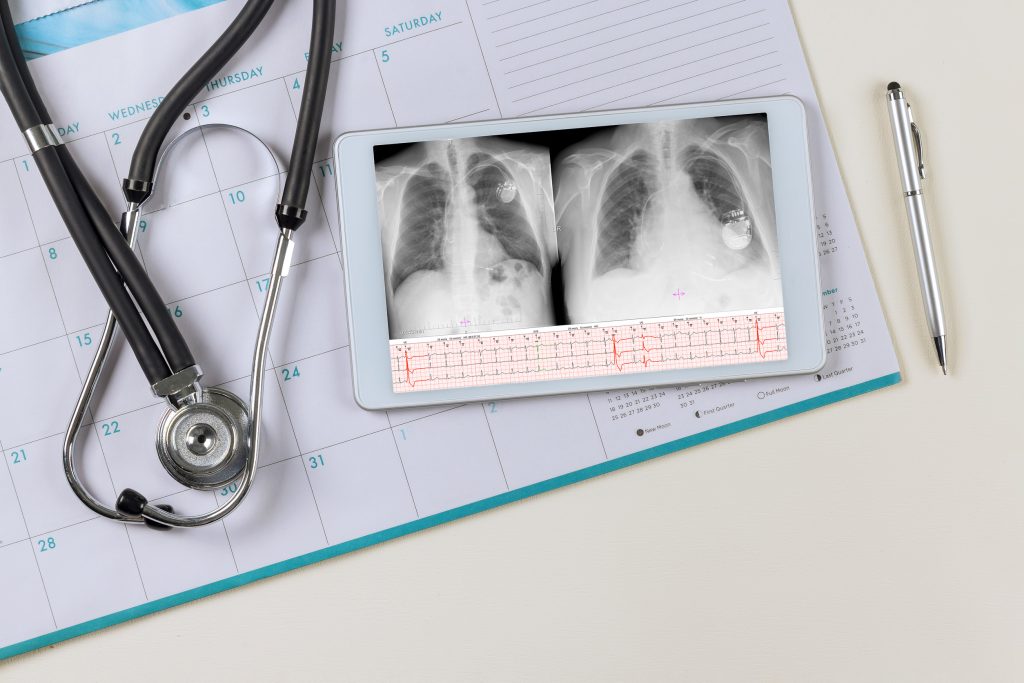
When you visit your doctor with possible lung-related symptoms, the diagnostic process begins with a physical examination and a review of your medical history. Imaging tests like chest X-rays or CT scans are often the first tools used to detect suspicious areas in the lungs. These scans can reveal tumors or nodules that require further testing to confirm their nature.
At Phoenix Cyberknife and Radiation Oncology Center, radiologists use advanced imaging technologies to support early and precise identification. Learning about how imaging techniques detect abnormal lung tissue can help you understand the importance of early detection and why these initial screenings are critical for accurate diagnosis.
The Role of Biopsies and Lab Testing
If imaging reveals abnormal tissue, a biopsy is typically the next step. This procedure involves removing a small tissue sample from the lung to examine under a microscope. Doctors use different biopsy methods depending on tumor location, including bronchoscopy, needle biopsy, or surgical procedures.
At Phoenix Cyberknife and Radiation Oncology Center, oncologists work closely with pathologists to ensure accurate results that guide treatment decisions. According to research on how lung tissue samples are analyzed to confirm cancer type, identifying the cancer’s characteristics helps tailor personalized therapies for each patient’s needs.
Staging and Understanding Results
Once lung cancer is confirmed, staging determines how advanced the disease is. Staging describes whether the cancer has spread to lymph nodes or other organs, which influences treatment options and prognosis. CT, PET, and MRI scans are often used at this point to provide a complete picture of the condition.
At Phoenix Cyberknife and Radiation Oncology Center, doctors explain each result in clear, compassionate terms so patients understand their diagnosis and treatment plan. This transparency helps reduce fear and builds trust as patients move forward with care.
Advanced Imaging and Precision in Diagnosis
Modern diagnostic imaging gives doctors a clearer view of tumor size, shape, and spread. It helps physicians make confident treatment decisions. For patients asking, “how is lung cancer diagnosed,” this technology supports accuracy from the start.
The specialists at Phoenix Cyberknife and Radiation Oncology Center utilize precise, non-invasive imaging that helps distinguish between benign and malignant growths. Their commitment to patient comfort and diagnostic excellence ensures every scan contributes meaningfully to the right treatment path.
Receiving a lung cancer diagnosis can feel overwhelming. Understanding the process can bring clarity and peace of mind. With an accurate diagnosis, patients can explore lung cancer treatment options such as radiation therapy, surgery, or targeted therapy with greater confidence.
If you have more questions or want to learn more about how lung cancer is diagnosed. Contact Phoenix Cyberknife and Radiation Oncology Center today. Their experienced team is ready to guide you through each step. You will get compassionate, precise care along the way. It can help you face what’s next with more confidence and hope.